
Synopsis
Compound overview
- Research only
- In clinical trials
- Approved outside US
- FDA-approved
What it is
YK-11 is a synthetic compound usually grouped with SARMs, though its structure is closer to a steroid. It has never been studied in human clinical trials and is sold only as a research chemical.
What it does
How it has been studied and marketed:
- Studied for muscle-growth effects in cell research
- Promoted (illegally) as a potent "SARM"
- Has essentially no human data
- Banned in all competitive sport
How it works
YK-11 acts on androgen receptors and, in lab studies, appears to also influence myostatin — the protein that limits muscle growth — though this is based only on cell research.
Safety notes
YK-11 has never been tested in humans, so its safety profile is entirely unknown. Its steroid-like structure raises concern for testosterone suppression and liver strain. The FDA has warned against SARM-type products, and material sold as YK-11 is unregulated.
Where to buy YK-11
Standard lyophilized vial — reconstitute and measure doses yourself. The conventional research format.
Affiliate links — we may earn a commission at no extra cost to you.
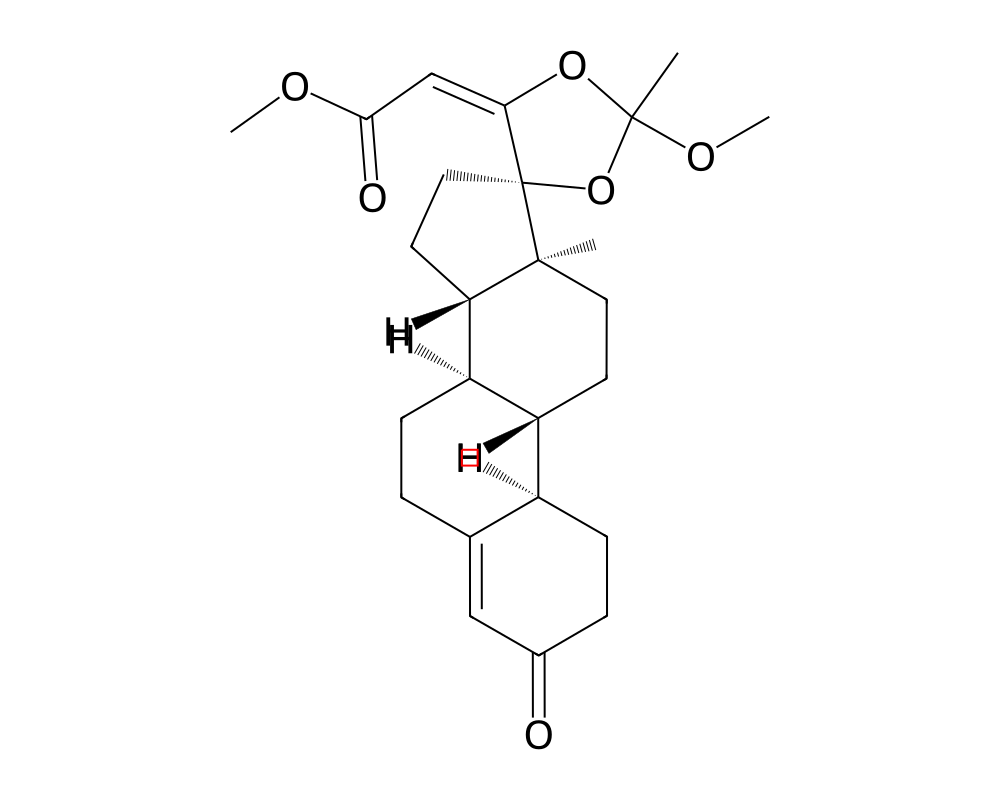
Molecular Structure
Research tool
Reconstitution calculator
Concentration
2.50mg/mL
Draw volume
0.10mL
Insulin units
10IU
Doses/vial
20
Overview
YK-11 is a synthetic compound that occupies an unusual position in the research chemical landscape. First described by Japanese researcher Yuichiro Kanno in 2011, YK-11 was initially characterized as a selective androgen receptor modulator (SARM) with an additional, distinctive property: the ability to inhibit myostatin through a follistatin-dependent mechanism. This dual activity sets YK-11 apart from other SARMs and has generated both scientific curiosity and considerable speculation about its potential as an anabolic agent.
Contents
Structurally, YK-11 is a steroidal compound derived from dihydrotestosterone (DHT), which distinguishes it from the non-steroidal SARMs like RAD-140 and LGD-4033. Its steroidal backbone raises questions about whether the “SARM” designation is fully appropriate, as the compound may share more pharmacological characteristics with traditional anabolic steroids than its marketing would suggest. The limited research base, consisting primarily of in vitro studies with no published in vivo animal data or human clinical trials, makes definitive pharmacological classification difficult.
Mechanism of Action
YK-11’s mechanism of action has been elucidated primarily through cell culture experiments. In C2C12 myoblast cells, YK-11 activates the androgen receptor and promotes myogenic differentiation, consistent with SARM-like activity. However, the compound’s most distinctive effect is the induction of follistatin expression. Follistatin is a glycoprotein that binds and neutralizes myostatin (also called growth differentiation factor 8, or GDF-8), a member of the TGF-beta superfamily that serves as a potent negative regulator of skeletal muscle mass.
Myostatin acts as a brake on muscle growth. Animals with naturally occurring myostatin gene mutations or deletions display dramatic muscular hypertrophy, as demonstrated by Belgian Blue cattle and myostatin-knockout mice. By increasing follistatin levels, YK-11 could theoretically release this brake, allowing for enhanced muscle growth beyond what androgen receptor activation alone would produce.
The Kanno laboratory demonstrated that YK-11 increased follistatin mRNA expression in C2C12 cells to levels significantly above control conditions and above those produced by DHT at equivalent concentrations. This follistatin induction appeared to be partially independent of androgen receptor activation, suggesting that YK-11 may engage additional signaling pathways. The compound also stimulated the expression of osteoblast differentiation markers, including alkaline phosphatase and osteoprotegerin, in bone cells, suggesting potential anabolic effects on bone tissue.
One important caveat: the PKC (protein kinase C) signaling pathway has been implicated in YK-11’s follistatin induction, but the precise molecular targets and the degree to which these in vitro findings translate to whole-organism physiology remain entirely unknown. The absence of in vivo data represents a fundamental gap in the understanding of this compound.
Research Summary
The published scientific literature on YK-11 is remarkably thin compared to other commonly discussed SARMs. The total body of peer-reviewed research consists of a small number of publications from the Kanno laboratory, all based on in vitro experiments using cultured cell lines. No preclinical animal pharmacology studies, pharmacokinetic studies, toxicology studies, or human clinical trials have been published as of the current date.
The original 2011 publication showed that YK-11 partially activated the androgen receptor in a reporter gene assay, producing approximately 60% of the maximal activation achieved by DHT. At the same time, it induced follistatin expression to a greater degree than DHT. Follow-up publications examined the compound’s effects on osteoblast differentiation and confirmed the involvement of follistatin and PKC signaling pathways.
The absence of in vivo data means that fundamental pharmacological questions remain unanswered. Oral bioavailability, metabolic stability, tissue distribution, half-life, and dose-response relationships in intact organisms are all unknown. Whether the myostatin-inhibiting effects observed in cell culture produce meaningful muscle growth in animals (let alone humans) has not been tested in any published study.
Anecdotal reports from the research community suggest that YK-11 produces noticeable increases in muscle hardness and strength at doses of 5 to 15 mg daily over four-to-eight-week periods. Users frequently describe effects that feel more potent than those of non-steroidal SARMs, which is consistent with the compound’s steroidal structure. However, these reports are subject to all the limitations of uncontrolled, self-reported data, including placebo effects, concurrent use of other compounds, and variable product purity.
Dosing in Published Research
About this section
The information below reports dosing only as it appears in published clinical or preclinical research and official regulatory documents. It is provided as published-literature reference material. It is not dosing guidance, not medical advice, and not a recommendation to use or self-administer this compound.
YK-11 is a synthetic compound marketed as a selective androgen receptor modulator. It has not been studied in any published human clinical trial, so no controlled research has established a dose for it in people; the available data are limited to laboratory and cell studies. Specific YK-11 figures circulating in forums or vendor material are not derived from human research and are therefore not reported here.
No established human dosing
Because no human trial has established a dose for YK-11, any specific figures circulating online are unverified. YK-11 is not an approved drug, is prohibited in sport by WADA, and material sold under this name is for laboratory research use only.
Safety and Side Effects
The safety profile of YK-11 is essentially uncharacterized in any rigorous scientific sense. No toxicology studies have been published, and no regulatory agency has evaluated the compound for safety in any species. This represents a level of uncertainty that is unusual even among investigational research chemicals, most of which have at least basic preclinical toxicology data available.
Given its steroidal structure and DHT-derived backbone, several safety concerns can be inferred from pharmacological first principles. DHT-derived compounds are known to suppress endogenous testosterone production through HPG axis negative feedback, and user reports consistently describe testosterone suppression with YK-11 use. Androgenic side effects including hair loss, acne, and prostate stimulation are theoretically possible, though the degree of tissue selectivity (if any) has not been characterized in vivo.
Hepatotoxicity is a particular concern. YK-11 contains a methylated ester group at the C-17 position, a structural feature shared with many oral anabolic steroids associated with liver stress. User-reported bloodwork has shown elevations in liver transaminases (ALT and AST) during YK-11 use, sometimes to levels several times the upper limit of normal. Whether these elevations represent clinically significant liver damage or a transient, benign hepatocellular stress response cannot be determined from available data.
Lipid profile changes, including HDL suppression and LDL elevation, have been reported anecdotally. Effects on cardiovascular health, bone mineral density, reproductive function, and cancer risk are entirely unknown.
Current Research Status
YK-11 is an early-stage research compound with no clinical development program, no regulatory submissions, and no approved indications. It is prohibited by WADA in competitive sport. The compound’s unique mechanism combining AR agonism with myostatin inhibition makes it a scientifically interesting molecule, but the near-total absence of in vivo data places it among the least-characterized compounds commonly available in the research chemical market. Any research use must account for the substantial unknowns surrounding its pharmacology, metabolism, and toxicology.
Further reading: For research on two related selective androgen receptor modulators, see RAD-140 vs LGD-4033: Comparing Two Researched SARMs.
Frequently Asked Questions
What is YK-11?
YK-11 is a synthetic compound usually grouped with SARMs, though its structure is closer to a steroid. First described in 2011, it has never been studied in human clinical trials and is sold only as a research chemical.
How does YK-11 work?
In cell culture experiments, YK-11 activates the androgen receptor and, distinctively, appears to induce factors that influence myostatin, a protein that limits muscle growth. Its mechanism has been characterized only in cultured cells.
Is YK-11 FDA-approved?
No. YK-11 is an early-stage research compound with no clinical development program, no regulatory submissions and no approved indications. It is prohibited by WADA in competitive sport.
What does the research say about YK-11?
The published literature is remarkably thin: a small number of in vitro publications from one laboratory, all using cultured cell lines. There are no published animal studies and no human data.
What are the safety concerns with YK-11?
The safety profile is essentially uncharacterized. No toxicology studies have been published and no regulatory agency has evaluated it for safety in any species, which represents an unusual level of uncertainty even among research chemicals.
Research Handling & Storage
Reconstitution (General Guidelines)
Lyophilized peptides are typically reconstituted using bacteriostatic water (0.9% benzyl alcohol). Standard reconstitution protocol:
- Remove the vial from storage and allow it to reach room temperature (20–25°C / 68–77°F) before opening. This typically takes 15–20 minutes.
- Clean the vial stopper with an alcohol prep pad and allow to air dry.
- Using a sterile syringe, slowly inject bacteriostatic water along the inside wall of the vial. Do not spray directly onto the lyophilized powder.
- Gently swirl the vial until the powder is fully dissolved. Do not shake vigorously as this may damage the peptide structure.
- The reconstituted solution should be clear and colorless. Discard if cloudy, discolored, or if particulate matter is visible.
- Label the vial with the reconstitution date, concentration, and your initials.
Common reconstitution volumes in research: 1ml or 2ml of bacteriostatic water per vial, depending on the desired concentration. For example, adding 2ml to a 5mg vial yields a concentration of 2.5mg/ml (2,500mcg/ml).
Storage
- Lyophilized (unreconstituted): Store at -20°C (-4°F) for long-term storage (stable 24+ months), or 2–8°C (36–46°F) refrigerated for short-term storage up to 6 months. Keep desiccated and protected from light.
- Reconstituted: Store at 2–8°C (36–46°F) refrigerated. Use within 4–6 weeks of reconstitution. Do not freeze reconstituted solutions as this may cause degradation.
- Shipping: Lyophilized peptides are generally stable at ambient temperature during transit for several days. Reconstituted solutions should be shipped on ice packs.
Handling Precautions
- Handle with appropriate personal protective equipment (PPE) including nitrile gloves, lab coat, and eye protection.
- Use aseptic/sterile technique when reconstituting and transferring solutions to prevent contamination.
- Avoid repeated freeze-thaw cycles which may denature the compound and reduce potency.
- Keep detailed laboratory records including reconstitution dates, lot numbers, concentrations, and storage conditions.
- Dispose of unused material and sharps in accordance with local regulations and institutional biosafety guidelines.
Stability & Shelf Life
Lyophilized (freeze-dried) peptides are highly stable when stored correctly. At -20°C (-4°F), most peptides retain >95% purity for 24 months or longer. Once reconstituted, the clock starts—proteins in solution are inherently less stable than in dry form. Factors that accelerate degradation include temperature fluctuations, exposure to light, repeated freeze-thaw cycles, bacterial contamination, and oxidation.
Purity & Quality Considerations
Research-grade compounds should be accompanied by a Certificate of Analysis (COA) confirming purity, typically verified by High-Performance Liquid Chromatography (HPLC) and Mass Spectrometry (MS). Look for purity levels of ≥98% for research applications. Third-party testing adds an additional layer of quality assurance. Always verify the source and documentation before using any research compound.
Research Supplies & Resources
Essential supplies and educational resources for peptide research. Links go to Amazon.com.
Lab Supplies
Recommended Reading
Lab Equipment
As an Amazon Associate, peptides.fyi earns from qualifying purchases. Learn more.
