Synopsis
Compound overview
- Research only
- In clinical trials
- Approved outside US
- FDA-approved
What it is
GW-501516 (cardarine) is not a SARM but a PPAR-delta agonist: a compound originally developed for metabolic and cholesterol research. Its development was abandoned, and it is sold only as a research chemical.
What it does
How it has been studied and marketed:
- Studied for endurance and fat-metabolism effects
- Promoted (illegally) as an "endurance" compound
- Development was halted by its manufacturer
- Banned in all competitive sport
How it works
GW-501516 activates PPAR-delta, a cellular switch that influences how the body burns fat and uses energy, which is the basis for its endurance-related claims.
Safety notes
This is the most important point: development of GW-501516 was stopped because long-term animal studies showed it caused cancer in multiple organs. The World Anti-Doping Agency took the rare step of issuing a public health warning about it. It is not safe for human use under any circumstances.
Where to buy GW-501516 (Cardarine)
Supplied as a measured liquid concentration (mg/mL). No reconstitution step.
Affiliate links. We may earn a commission at no extra cost to you.
Molecular Structure
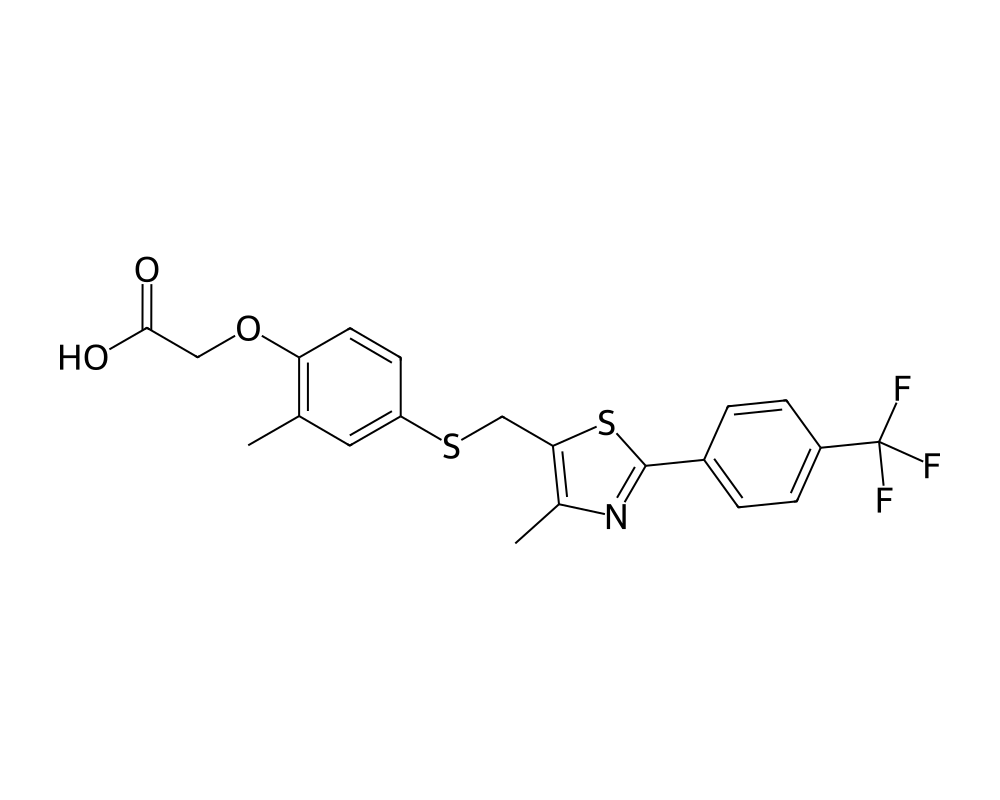
Research tool
Reconstitution calculator
Concentration
2.50mg/mL
Draw volume
0.10mL
Insulin units
10IU
Doses/vial
20
Overview
GW-501516, commonly known as Cardarine, is a peroxisome proliferator-activated receptor delta (PPARdelta) agonist developed jointly by GlaxoSmithKline and Ligand Pharmaceuticals in the early 2000s. Despite being frequently categorized alongside SARMs in research chemical marketplaces, GW-501516 is not a SARM and does not interact with the androgen receptor. It is a metabolic modulator that acts through the PPARdelta nuclear receptor pathway, a system that regulates fatty acid oxidation, energy expenditure, and endurance capacity at the transcriptional level.
Contents
The compound generated extraordinary scientific interest when preclinical studies demonstrated that it could transform the metabolic profile of sedentary mice, effectively conferring the physiological adaptations of endurance training without actual exercise. These findings, published in prominent journals including Cell and PNAS, captured widespread attention. However, GlaxoSmithKline abandoned clinical development in 2007 after long-term toxicology studies in rodents revealed an increased incidence of cancer across multiple organ systems. This safety signal terminated the drug’s path toward regulatory approval, though it has not ended scientific interest in PPARdelta biology.
Mechanism of Action
GW-501516 binds to and activates the PPARdelta nuclear receptor with high selectivity. PPARdelta is a ligand-activated transcription factor that, upon activation, heterodimerizes with the retinoid X receptor (RXR) and binds to PPAR response elements (PPREs) in the promoter regions of target genes. The transcriptional program activated by PPARdelta agonism is centered on lipid catabolism and energy homeostasis.
In skeletal muscle, PPARdelta activation upregulates genes involved in fatty acid uptake, beta-oxidation, and mitochondrial uncoupling. This shifts the muscle’s substrate preference from glucose toward fatty acids, sparing glycogen reserves and increasing endurance capacity. Key target genes include CPT1b (carnitine palmitoyltransferase 1b, the rate-limiting enzyme for mitochondrial fatty acid import), ACOX1 (acyl-CoA oxidase 1), and PDK4 (pyruvate dehydrogenase kinase 4, which inhibits glucose oxidation).
In liver and adipose tissue, GW-501516 promotes fatty acid oxidation while suppressing lipogenesis, improving dyslipidemia and reducing hepatic steatosis. The compound has been shown to increase HDL cholesterol, decrease LDL cholesterol and triglycerides, and reduce inflammatory markers in multiple preclinical and short-term clinical studies. These metabolic effects are independent of the androgen receptor, meaning the compound does not affect testosterone production or sexual characteristics.
Research Summary
The landmark study by Narkar et al., published in Cell in 2008, demonstrated that GW-501516 treatment combined with exercise produced a synergistic increase in running endurance of approximately 70% in mice. More remarkably, GW-501516 alone, without exercise, increased running endurance by 23% when combined with the AMPK activator AICAR. These findings established that pharmacological activation of PPARdelta could reprogram muscle fiber type composition toward a more oxidative phenotype.
Metabolic studies in obese animal models showed substantial changes. GW-501516 reversed diet-induced obesity, improved glucose tolerance, reduced insulin resistance, and decreased hepatic fat accumulation. In the ob/ob mouse model of genetic obesity, the compound normalized lipid profiles and improved metabolic parameters without changes in food intake, suggesting a direct increase in energy expenditure.
GlaxoSmithKline conducted limited phase I and phase II clinical trials before halting development. A phase II study in 268 subjects with dyslipidemia demonstrated dose-dependent improvements in HDL cholesterol (increases of 16% to 21%), reductions in triglycerides, and decreases in LDL particle number. These results confirmed the translation of preclinical metabolic findings to human subjects. Adverse event rates in these short-duration trials were similar to placebo.
The toxicology finding that derailed development involved an increased incidence of tumors in multiple organs (including liver, stomach, bladder, skin, and thyroid) in rats treated with GW-501516 for two years at doses exceeding the anticipated human therapeutic range. Whether these findings are relevant to short-term exposure at lower doses remains a subject of scientific debate, but the precautionary principle and regulatory standards made continued development untenable for GlaxoSmithKline.
Dosing in Published Research
About this section
The information below reports dosing only as it appears in published clinical or preclinical research and official regulatory documents. It is provided as published-literature reference material. It is not dosing guidance, not medical advice, and not a recommendation to use or self-administer this compound.
GW-501516 (cardarine) is a PPAR-delta agonist, not a SARM. Its developer, GlaxoSmithKline, conducted early human studies before halting all development in 2007, after long-term animal studies found that the compound caused cancer to develop rapidly in multiple organs. Because development was abandoned on safety grounds and the compound was never approved, there is no established human dose, and figures circulating in forums or vendor material are not reported here.
No established human dosing
GW-501516 development was stopped because animal studies showed it caused cancer in multiple organs. No safe human dose has been established, any figures circulating online are unverified, the compound is prohibited in sport by WADA, and material sold under this name is for laboratory research use only.
Safety and Side Effects
The carcinogenicity finding in rodents is the dominant safety concern surrounding GW-501516. The multi-organ tumor development observed in the two-year rat study raises fundamental questions about the safety of sustained PPARdelta activation. Proponents of the compound argue that the doses used in rodent toxicology studies were substantially higher than doses used in human research settings and that the relevance of rodent carcinogenicity data to human cancer risk is not straightforward. Opponents counter that multi-organ carcinogenicity in a standard species is a red flag that cannot be dismissed.
Short-term safety data from the clinical trials that were completed showed a favorable adverse event profile, with no signals of hepatotoxicity, hormonal disruption, or cardiovascular harm. Unlike SARMs, GW-501516 does not suppress endogenous testosterone production, as it does not interact with the androgen receptor or the HPG axis. This means it does not require post-cycle therapy and does not produce the hormonal side effects associated with androgenic compounds.
User reports from the research community describe few acute adverse effects at commonly used doses (10 to 20 mg daily for four to eight weeks). The primary concern remains the unknown long-term cancer risk. No human long-term safety data exist, and none are likely to be generated through conventional clinical development pathways given the toxicology history.
Current Research Status
GW-501516 is not approved for medical use in any jurisdiction. GlaxoSmithKline terminated its development program, and no other pharmaceutical company has publicly pursued clinical development. The compound is classified as a prohibited substance by WADA. Academic research on PPARdelta biology continues, and newer PPARdelta modulators with potentially improved safety profiles are under early investigation. GW-501516 remains available through research chemical suppliers, though it carries the distinction of being one of the few research compounds with a clear, documented carcinogenicity signal from a major pharmaceutical company’s toxicology program.
Frequently Asked Questions
What is GW-501516 (Cardarine)?
GW-501516, known as Cardarine, is a PPAR-delta agonist developed in the early 2000s for metabolic and cholesterol research. It is not a SARM. Its development was abandoned, and it is sold only as a research chemical.
How does GW-501516 work?
GW-501516 selectively activates the PPAR-delta nuclear receptor, a transcription factor that switches on genes involved in fatty-acid metabolism and energy use. Studies have linked this activity to changes in endurance and fat metabolism.
Is GW-501516 FDA-approved?
No. GW-501516 is not approved for medical use in any jurisdiction. GlaxoSmithKline terminated its development program, and it is classified as a prohibited substance by WADA.
What does the research say about GW-501516?
A widely cited 2008 study in Cell reported that GW-501516 combined with exercise increased running endurance in mice by roughly 70%, and increased it on its own without exercise. Development was nonetheless halted, in part over safety findings.
What are the safety concerns with GW-501516?
The dominant concern is a two-year rat study in which GW-501516 caused tumors in multiple organs. This carcinogenicity finding raises fundamental questions about sustained PPAR-delta activation and is a central reason the compound is not pursued as a drug.
Research Handling & Storage
Reconstitution (General Guidelines)
Lyophilized peptides are typically reconstituted using bacteriostatic water (0.9% benzyl alcohol). Standard reconstitution protocol:
- Remove the vial from storage and allow it to reach room temperature (20 to 25°C / 68 to 77°F) before opening. This typically takes 15 to 20 minutes.
- Clean the vial stopper with an alcohol prep pad and allow to air dry.
- Using a sterile syringe, slowly inject bacteriostatic water along the inside wall of the vial. Do not spray directly onto the lyophilized powder.
- Gently swirl the vial until the powder is fully dissolved. Do not shake vigorously as this may damage the peptide structure.
- The reconstituted solution should be clear and colorless. Discard if cloudy, discolored, or if particulate matter is visible.
- Label the vial with the reconstitution date, concentration, and your initials.
Common reconstitution volumes in research: 1ml or 2ml of bacteriostatic water per vial, depending on the desired concentration. For example, adding 2ml to a 5mg vial yields a concentration of 2.5mg/ml (2,500mcg/ml).
Storage
- Lyophilized (unreconstituted): Store at -20°C (-4°F) for long-term storage (stable 24+ months), or 2 to 8°C (36 to 46°F) refrigerated for short-term storage up to 6 months. Keep desiccated and protected from light.
- Reconstituted: Store at 2 to 8°C (36 to 46°F) refrigerated. Use within 4 to 6 weeks of reconstitution. Do not freeze reconstituted solutions as this may cause degradation.
- Shipping: Lyophilized peptides are generally stable at ambient temperature during transit for several days. Reconstituted solutions should be shipped on ice packs.
Handling Precautions
- Handle with appropriate personal protective equipment (PPE) including nitrile gloves, lab coat, and eye protection.
- Use aseptic/sterile technique when reconstituting and transferring solutions to prevent contamination.
- Avoid repeated freeze-thaw cycles which may denature the compound and reduce potency.
- Keep detailed laboratory records including reconstitution dates, lot numbers, concentrations, and storage conditions.
- Dispose of unused material and sharps in accordance with local regulations and institutional biosafety guidelines.
Stability & Shelf Life
Lyophilized (freeze-dried) peptides are highly stable when stored correctly. At -20°C (-4°F), most peptides retain >95% purity for 24 months or longer. Once reconstituted, the clock starts: proteins in solution are inherently less stable than in dry form. Factors that accelerate degradation include temperature fluctuations, exposure to light, repeated freeze-thaw cycles, bacterial contamination, and oxidation.
Purity & Quality Considerations
Research-grade compounds should be accompanied by a Certificate of Analysis (COA) confirming purity, typically verified by High-Performance Liquid Chromatography (HPLC) and Mass Spectrometry (MS). Look for purity levels of ≥98% for research applications. Third-party testing adds an additional layer of quality assurance. Always verify the source and documentation before using any research compound.