Synopsis
Compound overview
- Research only
- In clinical trials
- Approved outside US
- FDA-approved
What it is
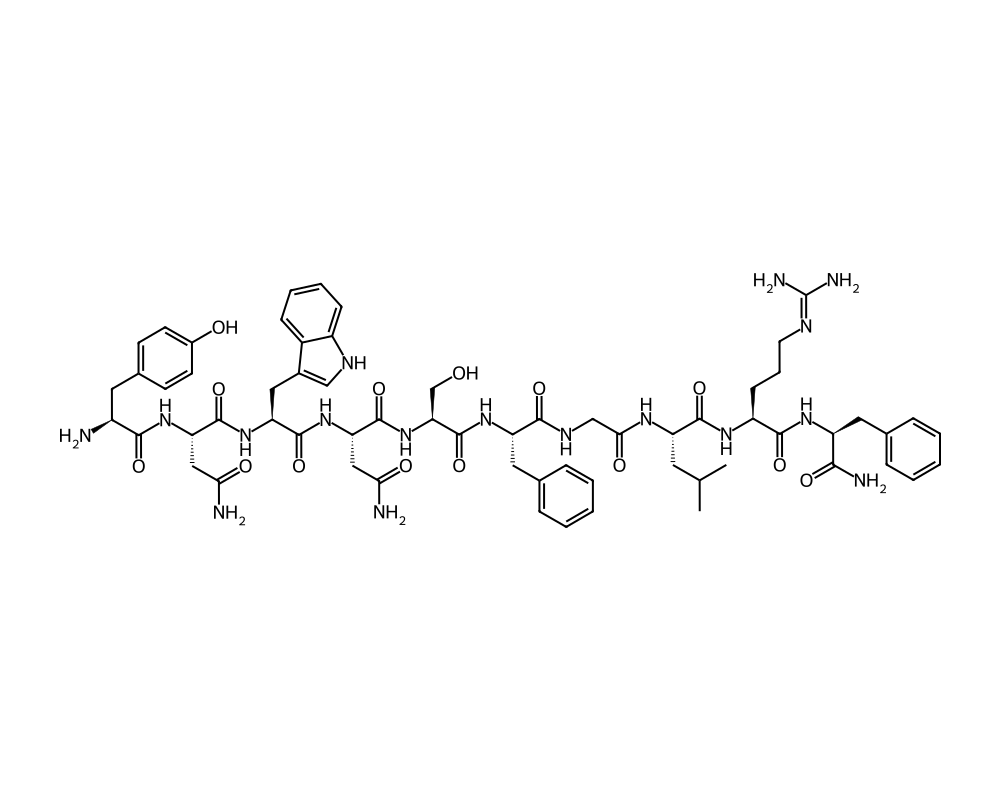
Kisspeptin-10 is a fragment of kisspeptin, a natural hormone that helps control the body's reproductive hormone system. Kisspeptin has been studied in human research into fertility and reproduction, but it is not an approved drug.
What it does
Areas explored in research include:
- Studied for its role in triggering reproductive hormones
- Researched as a fertility-related tool
- Investigated in human reproductive studies
- Of interest for hormone-cycle research
How it works
Kisspeptin acts on the hypothalamus to prompt the release of GnRH, the hormone that starts the chain leading to testosterone, estrogen and the signals that govern fertility.
Safety notes
Although kisspeptin has appeared in human research, kisspeptin-10 is not an approved medicine and its safety outside controlled studies is not established. Research-grade purity varies. Any self-directed use should be considered experimental.
Where to buy Kisspeptin-10
Standard lyophilized vial. Reconstitute and measure doses yourself.
Affiliate links. We may earn a commission at no extra cost to you.
Molecular Structure
Research tool
Reconstitution calculator
Concentration
2.50mg/mL
Draw volume
0.10mL
Insulin units
10IU
Doses/vial
20
Overview
Kisspeptin-10 is the shortest biologically active fragment of kisspeptin, a family of peptides encoded by the KISS1 gene that play a central role in reproductive endocrinology. The full-length kisspeptin protein is a 54-amino acid peptide (kisspeptin-54, originally called metastin), but enzymatic cleavage produces several shorter fragments, including kisspeptin-14, kisspeptin-13, and kisspeptin-10. All share the same C-terminal 10-amino acid sequence, which is the minimal structure required for binding and activating the kisspeptin receptor, GPR54 (also known as KISS1R).
Contents
The discovery of kisspeptin’s role in reproduction ranks among the most significant findings in reproductive endocrinology in the past two decades. In 2003, two independent research groups identified that loss-of-function mutations in the GPR54 receptor caused hypogonadotropic hypogonadism in humans, establishing kisspeptin signaling as essential for normal puberty and fertility. This finding placed kisspeptin at the apex of the reproductive hormone cascade, upstream of gonadotropin-releasing hormone (GnRH), which had previously been considered the master regulator of reproduction.
Kisspeptin-10 has become the most widely used form in research settings because of its potency, ease of synthesis, and well-characterized pharmacology. It retains full agonist activity at GPR54 and has been used in clinical studies to investigate its potential for treating infertility, diagnosing reproductive disorders, and modulating the hypothalamic-pituitary-gonadal (HPG) axis.
Mechanism of Action
Kisspeptin-10 acts by binding to the GPR54 receptor, a Gq/11-coupled receptor expressed on GnRH neurons in the hypothalamus. Receptor activation triggers phospholipase C signaling, leading to IP3-mediated calcium release and diacylglycerol-mediated protein kinase C activation. This intracellular signaling cascade depolarizes GnRH neurons and stimulates the pulsatile release of GnRH into the hypophyseal portal circulation.
GnRH then acts on gonadotroph cells in the anterior pituitary to stimulate the secretion of luteinizing hormone (LH) and follicle-stimulating hormone (FSH). The downstream effects of LH and FSH on the gonads include testosterone production in males, estrogen and progesterone production in females, and the maturation and release of gametes in both sexes.
What makes kisspeptin signaling physiologically distinctive is its role as an integrator of metabolic, environmental, and hormonal signals that regulate reproductive function. Kisspeptin neurons in the arcuate nucleus of the hypothalamus co-express neurokinin B and dynorphin (forming the so-called KNDy neuron population) and function as the pulse generator for GnRH secretion. These neurons receive inputs reflecting nutritional status, photoperiod, stress levels, and circulating sex steroid concentrations, allowing them to adjust reproductive hormone output according to conditions.
The sex steroid feedback loop is particularly well characterized. Estrogen and testosterone regulate kisspeptin expression in a region-specific manner: in the arcuate nucleus, sex steroids suppress kisspeptin, providing negative feedback, while in the anteroventral periventricular nucleus (in females), estrogen stimulates kisspeptin, driving the preovulatory LH surge.
Research Summary
Clinical research on kisspeptin-10 has demonstrated its ability to potently stimulate LH and, to a lesser extent, FSH secretion in both healthy volunteers and patients with reproductive disorders. In a series of studies conducted at Imperial College London, intravenous kisspeptin-10 administration produced rapid, dose-dependent increases in circulating LH in healthy men and women, with the response being modulated by the phase of the menstrual cycle in female subjects.
Research in patients with hypothalamic amenorrhea (a condition where stress, low body weight, or excessive exercise suppresses GnRH pulsatility) has shown that kisspeptin-10 can restore LH pulsatility, suggesting therapeutic potential for this common cause of infertility. Studies in women undergoing in vitro fertilization (IVF) have explored kisspeptin as an alternative to human chorionic gonadotropin (hCG) for triggering oocyte maturation, with the potential advantage of a lower risk of ovarian hyperstimulation syndrome (OHSS), a serious complication of conventional IVF protocols.
A clinical trial published in the Journal of Clinical Investigation demonstrated that kisspeptin-54 (the longer form) effectively triggered oocyte maturation in IVF patients with no cases of clinically significant OHSS, compared to historical rates of 3 to 8 percent with hCG triggers. While these studies used kisspeptin-54 rather than kisspeptin-10, they established proof of concept for the therapeutic approach.
In male subjects, kisspeptin-10 administration has been shown to increase testosterone levels through the LH-mediated stimulatory pathway. Research has also explored kisspeptin’s effects on sexual behavior and arousal, with neuroimaging studies showing that kisspeptin administration enhances brain activity in regions associated with sexual arousal and emotional processing.
Dosing in Published Research
About this section
The information below reports dosing only as it appears in published clinical or preclinical research and official regulatory documents. It is provided as published-literature reference material. It is not dosing guidance, not medical advice, and not a recommendation to use or self-administer this compound.
Kisspeptin-10 is a peptide fragment that stimulates reproductive hormone release, and it has been examined in published human research, though it is not an approved medicine and has no labeled dose. In studies in healthy volunteers, kisspeptin-10 has been given as single intravenous boluses, with doses around 1 microgram per kilogram of body weight producing a clear, short-lived rise in luteinizing hormone. Kisspeptin compounds continue to be investigated for reproductive uses such as fertility-treatment triggering. These figures describe what was administered in those specific studies.
Research doses, not a protocol
The doses above come from short controlled research studies, not an established or recommended regimen, and repeated-dose protocols remain limited in the literature. Kisspeptin-10 is not an approved drug, and material sold for research use is not a regulated drug product.
Safety and Side Effects
Kisspeptin-10 has demonstrated a favorable safety profile in clinical research. The most commonly reported effects are those expected from its pharmacological mechanism: transient increases in LH, FSH, and sex steroids. At the doses used in clinical studies, these hormonal changes have not been associated with clinically significant adverse events.
Because kisspeptin acts upstream of GnRH rather than directly on the pituitary, the downstream hormonal response is subject to the normal regulatory mechanisms of the HPG axis. This provides a degree of inherent safety, as the system cannot be driven into uncontrolled hormonal excess in the way that direct gonadotropin administration sometimes can.
In IVF contexts, the lower risk of ovarian hyperstimulation syndrome compared to hCG is a meaningful safety advantage. OHSS can be life-threatening in severe cases, and the ability to trigger oocyte maturation with kisspeptin rather than hCG could represent a significant advance in IVF safety.
Repeated or continuous kisspeptin exposure leads to desensitization of the GPR54 receptor and a paradoxical suppression of GnRH and LH secretion. This tachyphylaxis is an important consideration for any chronic dosing protocol and has been observed in both animal and human studies. Injection site reactions, headache, and nausea have been reported at low frequencies in clinical trials.
Current Research Status
Kisspeptin-10 and its longer forms remain investigational compounds with no current regulatory approval for therapeutic use. Active clinical research is focused on IVF trigger protocols, treatment of hypothalamic amenorrhea, diagnostic testing for reproductive disorders, and potential applications in psychosexual medicine. Several academic medical centers, particularly Imperial College London, are leading clinical investigation programs. The peptide represents one of the most promising pipelines in reproductive endocrinology, though the path from clinical trials to approved therapy remains incomplete.
Frequently Asked Questions
What is kisspeptin-10?
Kisspeptin-10 is the shortest biologically active fragment of kisspeptin, a peptide encoded by the KISS1 gene that plays a central role in reproductive hormone control. It has been studied in human reproductive research but is not an approved drug.
How does kisspeptin-10 work?
Kisspeptin-10 binds the GPR54 receptor on GnRH neurons in the hypothalamus. Receptor activation stimulates GnRH release, which in turn drives the release of the reproductive hormones LH and, to a lesser extent, FSH.
Is kisspeptin-10 FDA-approved?
No. Kisspeptin-10 and its longer forms remain investigational compounds with no regulatory approval for therapeutic use.
What does the research say about kisspeptin-10?
Clinical research, including a series of studies at Imperial College London, has shown intravenous kisspeptin-10 potently stimulates LH secretion in healthy volunteers and patients with reproductive disorders. Active research focuses on IVF trigger protocols and hypothalamic amenorrhea.
What are the safety concerns with kisspeptin-10?
Kisspeptin-10 has shown a favorable safety profile in clinical research. The main reported effects are the expected hormonal changes, and at the doses used in studies these have not been associated with serious adverse events. Experience remains limited to research settings.
Research Handling & Storage
Reconstitution (General Guidelines)
Lyophilized peptides are typically reconstituted using bacteriostatic water (0.9% benzyl alcohol). Standard reconstitution protocol:
- Remove the vial from storage and allow it to reach room temperature (20 to 25°C / 68 to 77°F) before opening. This typically takes 15 to 20 minutes.
- Clean the vial stopper with an alcohol prep pad and allow to air dry.
- Using a sterile syringe, slowly inject bacteriostatic water along the inside wall of the vial. Do not spray directly onto the lyophilized powder.
- Gently swirl the vial until the powder is fully dissolved. Do not shake vigorously as this may damage the peptide structure.
- The reconstituted solution should be clear and colorless. Discard if cloudy, discolored, or if particulate matter is visible.
- Label the vial with the reconstitution date, concentration, and your initials.
Common reconstitution volumes in research: 1ml or 2ml of bacteriostatic water per vial, depending on the desired concentration. For example, adding 2ml to a 5mg vial yields a concentration of 2.5mg/ml (2,500mcg/ml).
Storage
- Lyophilized (unreconstituted): Store at -20°C (-4°F) for long-term storage (stable 24+ months), or 2 to 8°C (36 to 46°F) refrigerated for short-term storage up to 6 months. Keep desiccated and protected from light.
- Reconstituted: Store at 2 to 8°C (36 to 46°F) refrigerated. Use within 4 to 6 weeks of reconstitution. Do not freeze reconstituted solutions as this may cause degradation.
- Shipping: Lyophilized peptides are generally stable at ambient temperature during transit for several days. Reconstituted solutions should be shipped on ice packs.
Handling Precautions
- Handle with appropriate personal protective equipment (PPE) including nitrile gloves, lab coat, and eye protection.
- Use aseptic/sterile technique when reconstituting and transferring solutions to prevent contamination.
- Avoid repeated freeze-thaw cycles which may denature the compound and reduce potency.
- Keep detailed laboratory records including reconstitution dates, lot numbers, concentrations, and storage conditions.
- Dispose of unused material and sharps in accordance with local regulations and institutional biosafety guidelines.
Stability & Shelf Life
Lyophilized (freeze-dried) peptides are highly stable when stored correctly. At -20°C (-4°F), most peptides retain >95% purity for 24 months or longer. Once reconstituted, the clock starts: proteins in solution are inherently less stable than in dry form. Factors that accelerate degradation include temperature fluctuations, exposure to light, repeated freeze-thaw cycles, bacterial contamination, and oxidation.
Purity & Quality Considerations
Research-grade compounds should be accompanied by a Certificate of Analysis (COA) confirming purity, typically verified by High-Performance Liquid Chromatography (HPLC) and Mass Spectrometry (MS). Look for purity levels of ≥98% for research applications. Third-party testing adds an additional layer of quality assurance. Always verify the source and documentation before using any research compound.