
Synopsis
Compound overview
- Research only
- In clinical trials
- Approved outside US
- FDA-approved
What it is
SR9009 (stenabolic) is a synthetic compound that targets a protein involved in the body's internal clock. It has never been studied in human clinical trials and is sold only as a research chemical.
What it does
How it has been studied and marketed:
- Studied for metabolism and endurance in mice
- Promoted (illegally) as "exercise in a pill"
- Has essentially no human data
- Banned in all competitive sport
How it works
SR9009 activates Rev-ErbA, a protein that helps control circadian rhythm and metabolism. In mice this changed energy use, but laboratory work suggests SR9009 is barely absorbed when taken by mouth.
Safety notes
SR9009 has never been tested in humans, so its safety is unknown, and evidence suggests oral doses may not even reach the bloodstream effectively. It is banned in sport, sold without any regulatory oversight, and any human use is purely experimental.
Where to buy SR9009 (Stenabolic)
Standard lyophilized vial — reconstitute and measure doses yourself. The conventional research format.
Affiliate links — we may earn a commission at no extra cost to you.
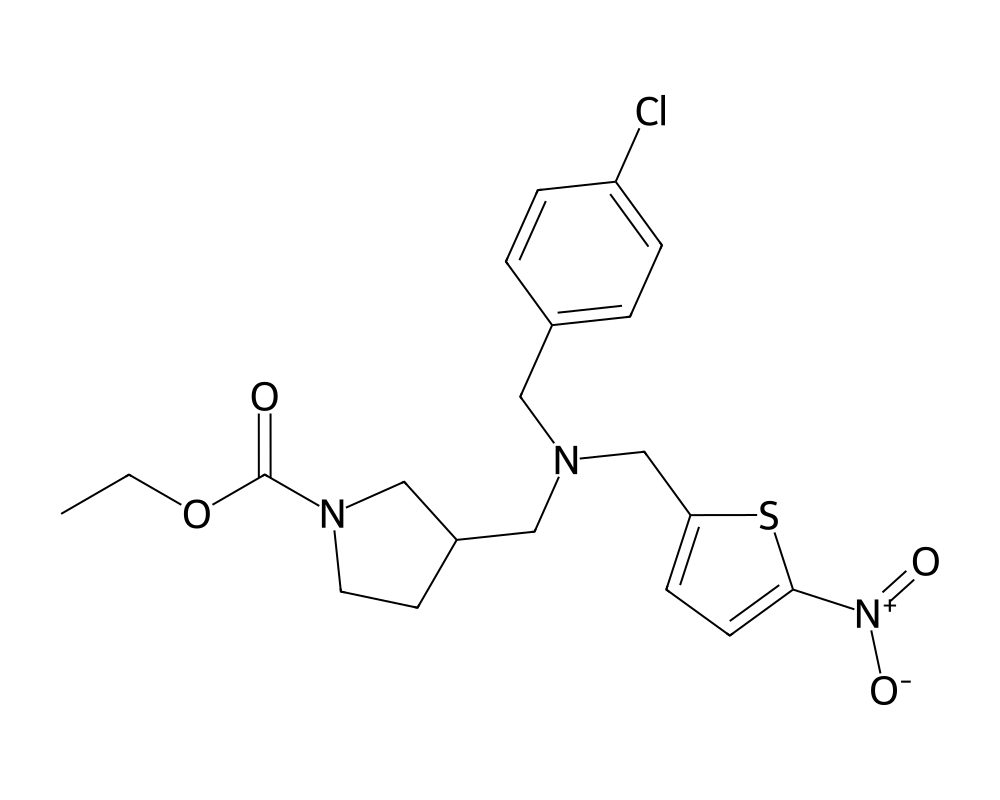
Molecular Structure
Research tool
Reconstitution calculator
Concentration
2.50mg/mL
Draw volume
0.10mL
Insulin units
10IU
Doses/vial
20
Overview
SR9009, commonly referred to as Stenabolic, is a synthetic Rev-Erb agonist developed by Professor Thomas Burris and colleagues at the Scripps Research Institute. First described in a 2012 publication in Nature Medicine, the compound targets the nuclear receptors Rev-Erb-alpha and Rev-Erb-beta, which function as key regulators of the circadian clock and metabolism. SR9009 is not a SARM and does not interact with the androgen receptor, though it is frequently grouped with SARMs in commercial and online contexts due to its performance-related effects and similar distribution channels.
Contents
The Rev-Erb receptors are constitutive transcriptional repressors that play central roles in synchronizing metabolic processes with the circadian cycle. By activating these receptors, SR9009 effectively rewires cellular metabolism, increasing mitochondrial activity, boosting fatty acid oxidation, and modulating inflammatory pathways. The original research demonstrated striking metabolic effects in mouse models, including increased endurance, reduced body fat, and favorable changes in cholesterol and triglyceride levels, all without changes in food intake or physical activity.
Mechanism of Action
SR9009 binds to and activates the Rev-Erb-alpha and Rev-Erb-beta nuclear receptors. These receptors function as ligand-sensitive transcriptional repressors, meaning that their activation leads to the suppression (rather than induction) of target gene expression. The genes repressed by Rev-Erb activation are critically involved in gluconeogenesis, lipogenesis, inflammatory cytokine production, and the core circadian clock machinery itself.
In skeletal muscle, Rev-Erb activation by SR9009 increases mitochondrial content and oxidative capacity. The compound upregulates genes involved in mitochondrial biogenesis and fatty acid oxidation while repressing genes that promote fat storage. This metabolic reprogramming shifts the balance of energy utilization toward oxidative metabolism, producing effects that mimic the metabolic adaptations normally achieved through endurance exercise training.
In the liver, SR9009 suppresses lipogenic gene expression and reduces de novo lipogenesis, contributing to improvements in dyslipidemia and hepatic steatosis. In macrophages and other immune cells, the compound suppresses inflammatory gene expression, reducing the production of IL-6 and other pro-inflammatory cytokines. This anti-inflammatory effect has attracted interest in the context of chronic inflammatory conditions and metabolic syndrome.
A critical feature of Rev-Erb biology is its role in the circadian clock. Rev-Erb-alpha is a core component of the molecular clock, and its pharmacological activation by SR9009 alters circadian gene expression patterns. In animal studies, SR9009 administration modified the expression of clock genes including Bmal1, Cry1, and Per2. The physiological consequences of this circadian modulation in the context of long-term compound use are not fully understood.
Research Summary
The foundational study by Solt et al. (2012) in Nature Medicine demonstrated that SR9009 administration to diet-induced obese mice for 12 days reduced body fat by 5%, decreased plasma triglycerides by 12%, decreased total cholesterol by 47%, and increased running endurance by approximately 50%. These effects occurred without changes in food intake, ruling out appetite suppression as the mechanism. The metabolic improvements were attributed to increased energy expenditure through enhanced mitochondrial activity.
Subsequent studies from the Burris laboratory and other groups expanded on these findings. SR9009 was shown to reduce anxiety-like behavior in mice, potentially through its effects on circadian-regulated neurochemical pathways. The compound also demonstrated antitumor activity in several cancer cell lines, with cytotoxic effects attributed to disruption of circadian clock regulation in malignant cells, which rely heavily on clock gene expression for survival signaling.
Research into cardiac applications showed that SR9009 reduced cardiac hypertrophy and fibrosis in mouse models of heart disease. In a transverse aortic constriction model, the compound attenuated pathological cardiac remodeling and preserved cardiac function. These findings suggested potential therapeutic applications in heart failure, though the work has not advanced beyond preclinical investigation.
A significant pharmacological limitation emerged from bioavailability studies. SR9009 has very poor oral bioavailability in rodents, estimated at less than 2% in some reports. Many of the published studies administered the compound via intraperitoneal injection, raising questions about whether oral administration (the route used by most research community participants) can achieve systemic levels sufficient to reproduce the published effects. This bioavailability concern is a major point of scientific debate surrounding the compound.
Dosing in Published Research
About this section
The information below reports dosing only as it appears in published clinical or preclinical research and official regulatory documents. It is provided as published-literature reference material. It is not dosing guidance, not medical advice, and not a recommendation to use or self-administer this compound.
SR9009 (stenabolic) is a synthetic agonist of the REV-ERB proteins, developed as a laboratory research tool. It has not been studied in any human clinical trial of any phase, so no controlled research has established a dose for it in people; additionally, SR9009 has very poor oral bioavailability, which limits its relevance as an oral compound. Specific figures circulating in forums or vendor material are not derived from human research and are therefore not reported here.
No established human dosing
Because no human trial of any phase has studied SR9009, any specific figures circulating online are unverified. SR9009 is not an approved drug, and material sold under this name is for laboratory research use only.
Safety and Side Effects
The safety profile of SR9009 is minimally characterized. No human clinical trials have been conducted, and formal toxicology studies have not been published. The compound does not interact with the androgen receptor, meaning it does not suppress endogenous testosterone production or produce androgenic side effects. This is a meaningful distinction from SARMs and represents one of the compound’s most frequently cited advantages.
Because Rev-Erb activation alters circadian clock gene expression, theoretical concerns exist regarding disruption of normal circadian rhythms with chronic use. The circadian clock regulates a vast array of physiological processes, including sleep-wake cycles, hormone secretion, immune function, and cellular repair. Sustained pharmacological manipulation of this system could produce unpredictable downstream effects, though no specific adverse circadian-related outcomes have been identified in the available preclinical data.
User reports from the research community describe relatively few acute side effects, though the poor oral bioavailability means that many users may not be achieving significant systemic exposure through oral dosing. Reported effects are generally mild and include wakefulness (potentially reflecting circadian modulation), mild headache, and in some cases, difficulty sleeping if the compound is taken later in the day. No consistent hepatotoxicity signals have been reported in user bloodwork.
The absence of HPG axis suppression means that SR9009 does not require post-cycle therapy, which distinguishes it from SARMs and anabolic compounds in terms of the hormonal recovery burden on users.
Current Research Status
SR9009 is a preclinical research compound with no clinical development program and no approved medical indications. It is not currently listed as a prohibited substance by WADA under the SARM category, though it could potentially be classified under the category of metabolic modulators. Academic research on Rev-Erb biology continues to expand, with SR9009 serving as the primary pharmacological tool for studying these receptors. The oral bioavailability limitation has spurred interest in next-generation Rev-Erb agonists with improved drug-like properties. The compound remains available through research chemical suppliers, though the gap between the injectable administration used in published research and the oral route used by most consumers is a significant and unresolved question.
Frequently Asked Questions
What is SR9009 (Stenabolic)?
SR9009, known as Stenabolic, is a synthetic compound that targets Rev-Erb, a protein involved in the body’s internal clock and metabolism. It has never been studied in human clinical trials and is sold only as a research chemical.
How does SR9009 work?
SR9009 activates the Rev-Erb-alpha and Rev-Erb-beta nuclear receptors, which act as transcriptional repressors. Activating them suppresses certain target genes involved in circadian rhythm and metabolism. It does not act on the androgen receptor.
Is SR9009 FDA-approved?
No. SR9009 is a preclinical research compound with no clinical development program and no approved medical indications.
What does the research say about SR9009?
The foundational 2012 study in Nature Medicine reported that SR9009 reduced body fat and cholesterol and increased running endurance in obese mice over 12 days. All published research is in animals; there is essentially no human data.
What are the safety concerns with SR9009?
The safety profile is minimally characterized. No human clinical trials have been conducted and formal toxicology studies have not been published, so its safety in people is unknown.
Research Handling & Storage
Reconstitution (General Guidelines)
Lyophilized peptides are typically reconstituted using bacteriostatic water (0.9% benzyl alcohol). Standard reconstitution protocol:
- Remove the vial from storage and allow it to reach room temperature (20–25°C / 68–77°F) before opening. This typically takes 15–20 minutes.
- Clean the vial stopper with an alcohol prep pad and allow to air dry.
- Using a sterile syringe, slowly inject bacteriostatic water along the inside wall of the vial. Do not spray directly onto the lyophilized powder.
- Gently swirl the vial until the powder is fully dissolved. Do not shake vigorously as this may damage the peptide structure.
- The reconstituted solution should be clear and colorless. Discard if cloudy, discolored, or if particulate matter is visible.
- Label the vial with the reconstitution date, concentration, and your initials.
Common reconstitution volumes in research: 1ml or 2ml of bacteriostatic water per vial, depending on the desired concentration. For example, adding 2ml to a 5mg vial yields a concentration of 2.5mg/ml (2,500mcg/ml).
Storage
- Lyophilized (unreconstituted): Store at -20°C (-4°F) for long-term storage (stable 24+ months), or 2–8°C (36–46°F) refrigerated for short-term storage up to 6 months. Keep desiccated and protected from light.
- Reconstituted: Store at 2–8°C (36–46°F) refrigerated. Use within 4–6 weeks of reconstitution. Do not freeze reconstituted solutions as this may cause degradation.
- Shipping: Lyophilized peptides are generally stable at ambient temperature during transit for several days. Reconstituted solutions should be shipped on ice packs.
Handling Precautions
- Handle with appropriate personal protective equipment (PPE) including nitrile gloves, lab coat, and eye protection.
- Use aseptic/sterile technique when reconstituting and transferring solutions to prevent contamination.
- Avoid repeated freeze-thaw cycles which may denature the compound and reduce potency.
- Keep detailed laboratory records including reconstitution dates, lot numbers, concentrations, and storage conditions.
- Dispose of unused material and sharps in accordance with local regulations and institutional biosafety guidelines.
Stability & Shelf Life
Lyophilized (freeze-dried) peptides are highly stable when stored correctly. At -20°C (-4°F), most peptides retain >95% purity for 24 months or longer. Once reconstituted, the clock starts—proteins in solution are inherently less stable than in dry form. Factors that accelerate degradation include temperature fluctuations, exposure to light, repeated freeze-thaw cycles, bacterial contamination, and oxidation.
Purity & Quality Considerations
Research-grade compounds should be accompanied by a Certificate of Analysis (COA) confirming purity, typically verified by High-Performance Liquid Chromatography (HPLC) and Mass Spectrometry (MS). Look for purity levels of ≥98% for research applications. Third-party testing adds an additional layer of quality assurance. Always verify the source and documentation before using any research compound.
Research Supplies & Resources
Essential supplies and educational resources for peptide research. Links go to Amazon.com.
Lab Supplies
Recommended Reading
Lab Equipment
As an Amazon Associate, peptides.fyi earns from qualifying purchases. Learn more.
