
Synopsis
Compound overview
- Research only
- In clinical trials
- Approved outside US
- FDA-approved
What it is
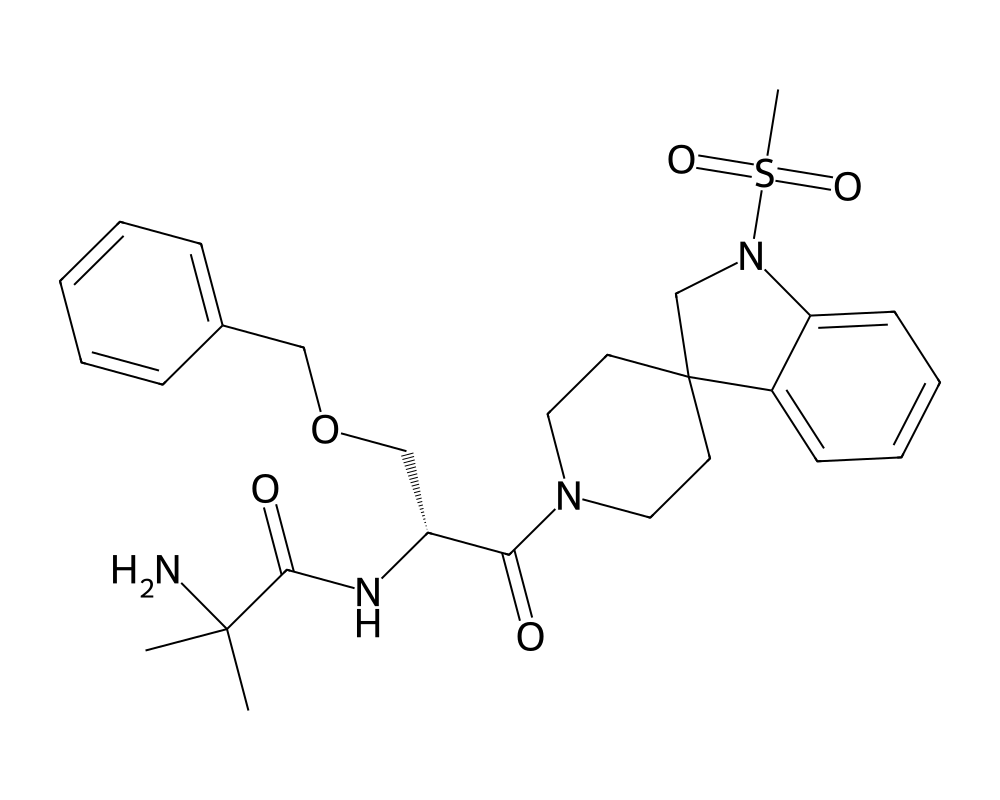
MK-677 (ibutamoren) is an orally active growth-hormone secretagogue — and, despite often being grouped with peptides, it is actually a small molecule. It was investigated in human clinical trials for several conditions but was never approved as a drug.
What it does
Effects reported in studies of MK-677 include:
- Raises growth hormone and IGF-1 levels
- Noticeably increases appetite
- Studied for effects on muscle and bone
- May influence sleep quality
How it works
MK-677 mimics ghrelin — the "hunger hormone" — at its receptor, prompting the pituitary gland to release more growth hormone. Because it works orally, it does this without injection.
Safety notes
Trials reported increased appetite, water retention, raised blood sugar and reduced insulin sensitivity. In one study in frail older adults a signal for heart failure contributed to development being halted for that use. MK-677 is not an approved medicine and is banned in sport.
Where to buy MK-677 (Ibutamoren)
Standard lyophilized vial — reconstitute and measure doses yourself. The conventional research format.
Affiliate links — we may earn a commission at no extra cost to you.
Molecular Structure
Research tool
Reconstitution calculator
Concentration
2.50mg/mL
Draw volume
0.10mL
Insulin units
10IU
Doses/vial
20
Overview
MK-677 (ibutamoren mesylate) is an orally active, non-peptide growth hormone secretagogue developed by Merck Research Laboratories. It functions as a potent, selective agonist of the growth hormone secretagogue receptor (GHSR1a), also known as the ghrelin receptor. Unlike peptide-based growth hormone releasing peptides (GHRPs) that require injection, MK-677 is a small molecule with excellent oral bioavailability, making it unique among compounds that stimulate the somatotropic axis.
Contents
- Overview
- Mechanism of Action
- Pituitary and Hypothalamic Actions
- Pulsatile GH Secretion Preservation
- IGF-1 Axis Activation
- Research Summary
- Nass et al. (2008) – Elderly Subjects
- Murphy et al. (1998) – GH-Deficient Adults
- Body Composition and Metabolic Effects
- Dosing in Published Research
- Safety and Side Effects
- Current Research Status
- Frequently Asked Questions
MK-677 was developed from Merck’s growth hormone secretagogue program in the 1990s, which sought orally bioavailable alternatives to growth hormone-releasing peptide-6 (GHRP-6). The compound emerged from structure-activity relationship studies that led from the benzolactam class of secretagogues (L-692,429) through spiroindanylpiperidine intermediates to the dipeptide-derived structure of MK-677. Despite extensive clinical investigation demonstrating robust GH and IGF-1 elevation, MK-677 has not received regulatory approval for any indication and remains an investigational compound.
The ghrelin receptor (GHSR1a) is a G protein-coupled receptor expressed in the hypothalamus (arcuate nucleus, ventromedial nucleus), pituitary somatotrope cells, and various peripheral tissues. Endogenous ghrelin, a 28-amino acid peptide produced primarily in the stomach, is the natural ligand of this receptor. MK-677 mimics ghrelin’s actions at the receptor without sharing structural homology with the peptide, producing sustained elevation of GH secretion, increased IGF-1 levels, and appetite stimulation.
Mechanism of Action
MK-677 activates the ghrelin receptor (GHSR1a) in both the hypothalamus and anterior pituitary, stimulating growth hormone release through mechanisms that are complementary to those of growth hormone-releasing hormone (GHRH) and distinct from exogenous GH administration.
Pituitary and Hypothalamic Actions
At the pituitary level, MK-677 binds to GHSR1a on somatotrope cells, activating the Gq/11 signaling pathway and increasing intracellular calcium through phospholipase C-mediated IP3 production and calcium release from the endoplasmic reticulum. This calcium mobilization triggers exocytosis of GH-containing secretory granules. At the hypothalamic level, GHSR1a activation on GHRH-producing neurons in the arcuate nucleus stimulates GHRH release into the hypophyseal portal circulation, providing an additional stimulus for pituitary GH secretion. MK-677 also reduces hypothalamic somatostatin tone, further disinhibiting GH release.
Pulsatile GH Secretion Preservation
A critical pharmacological feature of MK-677 is its preservation of the pulsatile pattern of GH secretion. Unlike exogenous GH administration, which provides continuous non-physiological GH levels and suppresses endogenous pulsatility, MK-677 amplifies the amplitude of natural GH pulses while maintaining normal pulse frequency and the ultradian rhythm. This is clinically significant because pulsatile GH signaling is required for optimal activation of hepatic IGF-1 production and appropriate tissue-specific responses.
IGF-1 Axis Activation
The sustained GH elevation produced by daily MK-677 administration results in clinically significant increases in circulating IGF-1 and IGFBP-3 (IGF binding protein-3). In clinical studies, MK-677 at 25 mg daily has been shown to increase serum IGF-1 levels by approximately 40-60% within 2-4 weeks, with levels reaching the upper portion of the young-adult reference range in elderly subjects with age-related GH decline. This IGF-1 elevation is maintained for the duration of treatment without significant tachyphylaxis.
Research Summary
Nass et al. (2008) – Elderly Subjects
Nass et al. (2008) published results from a randomized, double-blind, placebo-controlled study in the Journal of Clinical Endocrinology & Metabolism evaluating MK-677 in healthy older adults over 2 years. The study enrolled 65 subjects aged 60-81 years who received MK-677 25 mg or placebo daily. MK-677 increased GH and IGF-1 levels to those of healthy young adults, with 24-hour mean GH concentrations increasing by approximately 97% and serum IGF-1 increasing by approximately 55% at 12 months. The GH pulsatile pattern was maintained throughout treatment. Fat-free mass increased significantly with MK-677, and there was a trend toward increased limb muscle strength, though the study was not powered to detect functional outcomes. Fasting glucose and insulin levels increased modestly, and the most common adverse effects were transient appetite stimulation and edema.
Murphy et al. (1998) – GH-Deficient Adults
Murphy et al. (1998) conducted a study evaluating MK-677 in adults with severe GH deficiency secondary to pituitary disease. The study demonstrated that MK-677 25 mg daily for 4 days significantly increased 24-hour GH secretion and IGF-1 levels in subjects with intact hypothalamic-pituitary connections (mean GH AUC increased by 79%). However, in subjects with complete hypothalamic-pituitary disconnection, the GH response was markedly attenuated, confirming that MK-677’s mechanism of action requires functional hypothalamic GHRH signaling and is not solely mediated through direct pituitary stimulation.
Body Composition and Metabolic Effects
Multiple studies have documented MK-677’s effects on body composition, demonstrating consistent increases in fat-free mass of 1-3 kg over treatment periods of 2-12 months. The effect on body fat mass has been variable across studies, with some showing modest reductions and others showing no significant change, likely reflecting the competing influences of increased GH-mediated lipolysis and increased appetite and caloric intake driven by ghrelin receptor activation. The appetite-stimulating effect is consistent with ghrelin’s known orexigenic properties and represents both a potential benefit in catabolic conditions and a practical limitation for body composition optimization.
Dosing in Published Research
About this section
The information below reports dosing only as it appears in published clinical or preclinical research and official regulatory documents. It is provided as published-literature reference material. It is not dosing guidance, not medical advice, and not a recommendation to use or self-administer this compound.
MK-677 (ibutamoren) is an orally active growth-hormone secretagogue. It has been studied in humans for nearly three decades but has never been approved for any use, so it has no labeled dose. The dose used most consistently across its published clinical trials is 25 mg taken orally once daily. This was the dose used, for example, in a two-year randomized trial in healthy older adults (Nass et al., Annals of Internal Medicine, 2008) and in a 12-month trial in patients with Alzheimer disease. These figures describe what was administered in those specific studies.
Research doses, not a protocol
The 25 mg figure is the dose used in controlled clinical trials, not an established or recommended dose for general use. MK-677 raises blood glucose and can lower insulin sensitivity, and it remains an unapproved investigational compound; material sold for research use is not a regulated drug product.
Safety and Side Effects
MK-677 (ibutamoren) is an orally active growth hormone secretagogue. Although it was studied fairly extensively, it was never approved, so its safety is characterized by trial data rather than long-term post-marketing experience. Reported effects, consistent with raising growth hormone and IGF-1, include increased appetite, fluid retention and peripheral edema, joint or muscle pain, and lethargy. Clinically important is its effect on glucose metabolism: MK-677 can reduce insulin sensitivity and raise fasting blood glucose, a concern for anyone with, or at risk of, diabetes. In a trial in older adults recovering from hip fracture, a safety signal related to congestive heart failure was noted, which contributed to caution about the compound. Sustained elevation of growth hormone and IGF-1 also carries the theoretical proliferative concerns common to growth hormone secretagogues. Research-chemical material is of uncertain identity and purity.
Current Research Status
Despite extensive Phase 2 clinical data, MK-677 was never approved by the FDA or any other regulatory agency and remains an investigational compound. It is not a lawful dietary-supplement ingredient, and it is prohibited in sport by the World Anti-Doping Agency. It is sold only as a research chemical and should be regarded as investigational, with its long-term safety unestablished.
Frequently Asked Questions
What is MK-677 (Ibutamoren)?
MK-677, also called ibutamoren, is an orally active growth hormone secretagogue developed by Merck. Despite often being grouped with peptides, it is actually a small molecule. It was investigated in human clinical trials but was never approved as a drug.
How does MK-677 work?
MK-677 mimics ghrelin by activating the ghrelin receptor (GHSR1a) in the hypothalamus and pituitary, stimulating the body’s own release of growth hormone. This in turn raises IGF-1 levels and noticeably increases appetite.
Is MK-677 FDA-approved?
No. Despite extensive Phase 2 clinical data, MK-677 was never approved by the FDA or any other agency and remains an investigational compound. It is not a lawful dietary-supplement ingredient and is prohibited in sport by WADA.
What does the research say about MK-677?
A randomized, placebo-controlled study by Nass and colleagues (2008) followed healthy older adults on MK-677 for two years and reported sustained increases in growth hormone and IGF-1. It has also been studied for effects on muscle, bone and sleep.
What are the safety concerns with MK-677?
Because it was never approved, its safety is characterized by trial data rather than long-term post-marketing experience. Reported effects, consistent with raising growth hormone and IGF-1, include increased appetite, fluid retention and changes in blood sugar and insulin sensitivity.
Research Handling & Storage
Reconstitution (General Guidelines)
Lyophilized peptides are typically reconstituted using bacteriostatic water (0.9% benzyl alcohol). Standard reconstitution protocol:
- Remove the vial from storage and allow it to reach room temperature (20–25°C / 68–77°F) before opening. This typically takes 15–20 minutes.
- Clean the vial stopper with an alcohol prep pad and allow to air dry.
- Using a sterile syringe, slowly inject bacteriostatic water along the inside wall of the vial. Do not spray directly onto the lyophilized powder.
- Gently swirl the vial until the powder is fully dissolved. Do not shake vigorously as this may damage the peptide structure.
- The reconstituted solution should be clear and colorless. Discard if cloudy, discolored, or if particulate matter is visible.
- Label the vial with the reconstitution date, concentration, and your initials.
Common reconstitution volumes in research: 1ml or 2ml of bacteriostatic water per vial, depending on the desired concentration. For example, adding 2ml to a 5mg vial yields a concentration of 2.5mg/ml (2,500mcg/ml).
Storage
- Lyophilized (unreconstituted): Store at -20°C (-4°F) for long-term storage (stable 24+ months), or 2–8°C (36–46°F) refrigerated for short-term storage up to 6 months. Keep desiccated and protected from light.
- Reconstituted: Store at 2–8°C (36–46°F) refrigerated. Use within 4–6 weeks of reconstitution. Do not freeze reconstituted solutions as this may cause degradation.
- Shipping: Lyophilized peptides are generally stable at ambient temperature during transit for several days. Reconstituted solutions should be shipped on ice packs.
Handling Precautions
- Handle with appropriate personal protective equipment (PPE) including nitrile gloves, lab coat, and eye protection.
- Use aseptic/sterile technique when reconstituting and transferring solutions to prevent contamination.
- Avoid repeated freeze-thaw cycles which may denature the compound and reduce potency.
- Keep detailed laboratory records including reconstitution dates, lot numbers, concentrations, and storage conditions.
- Dispose of unused material and sharps in accordance with local regulations and institutional biosafety guidelines.
Stability & Shelf Life
Lyophilized (freeze-dried) peptides are highly stable when stored correctly. At -20°C (-4°F), most peptides retain >95% purity for 24 months or longer. Once reconstituted, the clock starts—proteins in solution are inherently less stable than in dry form. Factors that accelerate degradation include temperature fluctuations, exposure to light, repeated freeze-thaw cycles, bacterial contamination, and oxidation.
Purity & Quality Considerations
Research-grade compounds should be accompanied by a Certificate of Analysis (COA) confirming purity, typically verified by High-Performance Liquid Chromatography (HPLC) and Mass Spectrometry (MS). Look for purity levels of ≥98% for research applications. Third-party testing adds an additional layer of quality assurance. Always verify the source and documentation before using any research compound.
Research Supplies & Resources
Essential supplies and educational resources for peptide research. Links go to Amazon.com.
Lab Supplies
Recommended Reading
Lab Equipment
As an Amazon Associate, peptides.fyi earns from qualifying purchases. Learn more.
