
Synopsis
Compound overview
- Research only
- In clinical trials
- Approved outside US
- FDA-approved
What it is
AOD-9604 is a synthetic fragment of human growth hormone, made from the part of the molecule linked to fat metabolism. It was developed as a potential anti-obesity drug and tested in clinical trials, but it did not gain approval.
What it does
Areas studied in research and trials:
- Studied as a fat-loss compound
- Tested in human obesity trials
- Also researched for joint and cartilage effects
- Designed to avoid growth hormone's blood-sugar effects
How it works
AOD-9604 is based on the "lipolytic" tail of growth hormone and was designed to encourage the breakdown of fat without the broader growth-promoting or blood-sugar effects of the full hormone.
Safety notes
In clinical trials AOD-9604 did not produce meaningful weight loss beyond placebo, which ended its development as an obesity drug. It is not an approved medicine, long-term data is limited, and research-grade purity varies.
Where to buy AOD-9604
Standard lyophilized vial — reconstitute and measure doses yourself. The conventional research format.
Affiliate links — we may earn a commission at no extra cost to you.
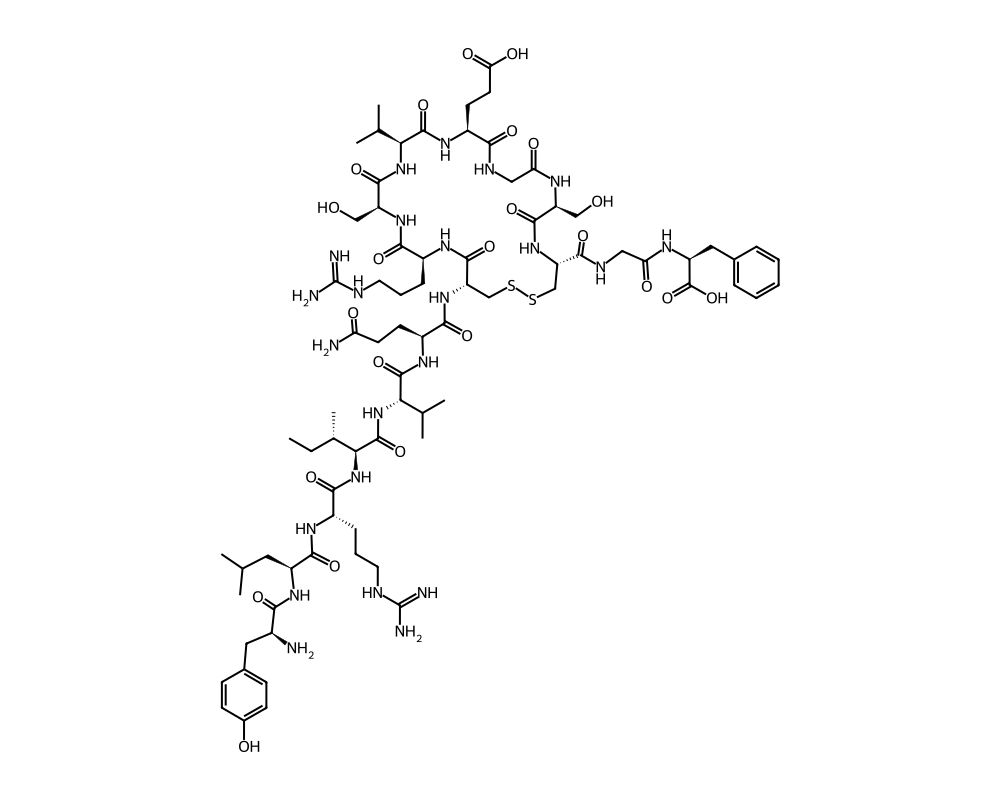
Molecular Structure
Research tool
Reconstitution calculator
Concentration
2.50mg/mL
Draw volume
0.10mL
Insulin units
10IU
Doses/vial
20
Overview
AOD-9604 (Anti-Obesity Drug 9604) is a synthetic modified peptide fragment corresponding to the C-terminal region of human growth hormone (hGH), specifically residues 176-191, with an additional N-terminal tyrosine residue. It was developed by Professor Frank Ng and colleagues at Monash University in Melbourne, Australia, in collaboration with Metabolic Pharmaceuticals Limited, based on the observation that the lipolytic (fat-reducing) activity of growth hormone resides in a discrete region of the molecule distinct from the domains responsible for growth-promoting and diabetogenic effects.
Contents
- Overview
- Mechanism of Action
- Beta-3 Adrenergic Receptor Pathway
- Lipogenesis Inhibition
- Chondroprotective Mechanisms
- Research Summary
- Preclinical Obesity Studies
- Clinical Obesity Trials
- Cartilage Repair Research
- Safety and Metabolic Neutrality
- Dosing in Published Research
- Safety and Side Effects
- Current Research Status
- Frequently Asked Questions
The rationale behind AOD-9604 was to isolate the fat-metabolizing properties of growth hormone while eliminating the undesirable effects associated with full-length hGH administration, including insulin resistance, fluid retention, and potential proliferative risks. By using only the 176-191 fragment, the peptide retains the ability to stimulate lipolysis and inhibit lipogenesis without affecting blood glucose levels, IGF-1 concentrations, or other growth hormone-dependent anabolic pathways.
In 2007, the U.S. FDA granted AOD-9604 Generally Recognized as Safe (GRAS) status as a food supplement ingredient, a designation based on its favorable toxicology profile. The peptide has also attracted research interest for potential chondroprotective (cartilage-protective) properties, leading to investigation in osteoarthritis and musculoskeletal repair applications.
Mechanism of Action
AOD-9604 replicates the lipolytic mechanism of the C-terminal domain of growth hormone through a pathway that is distinct from and independent of the classical GH receptor/JAK2/STAT5 signaling cascade used by full-length hGH.
Beta-3 Adrenergic Receptor Pathway
Research by Ng et al. demonstrated that the hGH 176-191 fragment stimulates lipolysis in adipocytes through a mechanism involving the beta-3 adrenergic receptor (beta-3 AR) signaling pathway. The peptide enhances the activity of hormone-sensitive lipase (HSL) by promoting its phosphorylation via cyclic AMP-dependent protein kinase A (PKA). This activation cascade triggers the hydrolysis of stored triglycerides into free fatty acids and glycerol, which are subsequently released into circulation for oxidation. Critically, this lipolytic effect occurs without activation of the GH receptor’s JAK2/STAT5 pathway, which means AOD-9604 does not stimulate IGF-1 production or exhibit the growth-promoting, insulin-antagonizing, or proliferative effects of full-length growth hormone.
Lipogenesis Inhibition
In addition to promoting fat breakdown, AOD-9604 inhibits de novo lipogenesis (new fat formation) in adipose tissue. The proposed mechanism involves downregulation of key lipogenic enzymes including fatty acid synthase (FAS) and acetyl-CoA carboxylase (ACC) through modulation of the sterol regulatory element-binding protein 1c (SREBP-1c) transcriptional pathway. This dual action — simultaneously enhancing fat catabolism while suppressing fat anabolism — produces a net negative lipid balance in adipose tissue.
Chondroprotective Mechanisms
More recent research has identified chondroprotective properties of AOD-9604 that appear mechanistically distinct from its lipolytic effects. In vitro studies demonstrated that AOD-9604 stimulates proteoglycan and collagen synthesis in articular chondrocytes, potentially through activation of the transforming growth factor-beta (TGF-beta) signaling pathway. The peptide also appears to inhibit matrix metalloproteinase (MMP) expression, reducing enzymatic degradation of cartilage extracellular matrix components. These findings suggest AOD-9604 may promote cartilage repair while simultaneously protecting against further degradation.
Research Summary
AOD-9604 has been investigated in preclinical models, clinical trials for obesity, and more recently in musculoskeletal applications. The research trajectory reflects both the promise and challenges of developing peptide-based anti-obesity therapeutics.
Preclinical Obesity Studies
Ng et al. (2000), published in Obesity Research, demonstrated that chronic administration of the hGH 176-191 fragment to obese (ob/ob) mice produced significant reductions in body weight and adipose tissue mass without affecting food intake, lean body mass, or serum IGF-1 levels. The fragment was effective at doses approximately 50-fold lower than those required for the equivalent lipolytic effect with full-length hGH. Importantly, unlike full-length hGH, the fragment did not induce hyperglycemia or insulin resistance, confirming the functional separation of the lipolytic domain from the diabetogenic regions of the growth hormone molecule.
Clinical Obesity Trials
Heffernan et al. (2001), published in Endocrinology, provided additional preclinical data showing that AOD-9604 enhanced fat oxidation in both lean and obese animal models. Subsequent Phase IIb clinical trials conducted by Metabolic Pharmaceuticals in 300 obese patients demonstrated statistically significant weight loss with AOD-9604 oral administration over 12 weeks. However, the magnitude of weight loss (approximately 1.6 kg more than placebo) was considered modest by regulatory standards, and the clinical development program for obesity was discontinued in 2007 before Phase III trials commenced.
Cartilage Repair Research
Krishnan et al. (2014), in a study presented at the Osteoarthritis Research Society International (OARSI) conference, demonstrated that intra-articular injection of AOD-9604 in a rat model of surgically induced osteoarthritis produced significant improvements in cartilage morphology scores and reduced proteoglycan degradation compared to saline controls. The study reported enhanced type II collagen deposition and reduced MMP-13 expression in the treated joints.
Safety and Metabolic Neutrality
Stier et al. (2004), published in the Journal of Endocrinology, confirmed the metabolic safety profile of AOD-9604 in a comprehensive study showing that chronic administration did not alter circulating IGF-1, insulin, glucose, cortisol, or thyroid hormone levels in treated animals. This metabolic neutrality, combined with the absence of anti-hGH antibody formation, supported the safety profile that ultimately contributed to the FDA GRAS determination for the compound.
Dosing in Published Research
About this section
The information below reports dosing only as it appears in published clinical or preclinical research and official regulatory documents. It is provided as published-literature reference material. It is not dosing guidance, not medical advice, and not a recommendation to use or self-administer this compound.
AOD-9604 is a synthetic fragment of human growth hormone. It is not approved as a medicine and has no labeled dose. Its developer, Metabolic Pharmaceuticals, ran a Phase 2 obesity program in which AOD-9604 was given orally; a 1 mg daily dose produced the most weight loss (an average of about 2.6 kg versus 0.8 kg with placebo over 12 weeks), and a later Phase 2b study compared oral doses of 0.25, 0.5 and 1 mg per day. Notably, higher doses did not produce more weight loss. The obesity program was ultimately discontinued. These figures describe what was administered in those specific trials.
Research doses, not a protocol
AOD-9604 did not advance beyond Phase 2 obesity trials, and the oral research doses above are not an established or recommended dose. Injectable AOD-9604 sold as a research chemical has not been evaluated in that form, and material sold for research use is not a regulated drug product.
Safety and Side Effects
AOD-9604 is a synthetic fragment of human growth hormone, corresponding to residues 176 to 191, that was developed as a potential anti-obesity agent. In the clinical trials conducted during its development it was generally reported as well tolerated, with an adverse-effect profile similar to placebo and, notably, without the changes in IGF-1, glucose metabolism, or growth that characterize full growth hormone. Those trials were, however, of limited size and duration, and long-term safety has not been established. The principal limitation of AOD-9604 is not a specific documented hazard but the absence of demonstrated efficacy and the lack of any approved use; material sold as a research chemical is also of uncertain identity and purity.
Current Research Status
AOD-9604 was investigated for obesity but did not demonstrate sufficient efficacy to gain approval as a weight-loss drug; it is not approved by the FDA or any major regulatory agency as a therapeutic. It has been the subject of regulatory review as a food or supplement ingredient in some jurisdictions, but it holds no approved drug indication. It should be regarded as an investigational compound whose efficacy was not established.
Frequently Asked Questions
What is AOD-9604?
AOD-9604 is a synthetic fragment of human growth hormone, corresponding to residues 176 to 191, the region linked to fat metabolism, with an added tyrosine. It was developed as a potential anti-obesity drug and tested in clinical trials but did not gain approval.
How does AOD-9604 work?
AOD-9604 is based on the lipolytic (fat-breakdown) tail of growth hormone. It is reported to act through a pathway distinct from the classical growth hormone receptor, and it was designed to avoid growth hormone’s effects on blood sugar.
Is AOD-9604 FDA-approved?
No. AOD-9604 was investigated for obesity but did not show sufficient efficacy to gain approval as a weight-loss drug. It is not approved by the FDA or any major regulatory agency as a therapeutic, though it has been reviewed as a food or supplement ingredient in some jurisdictions.
What does the research say about AOD-9604?
AOD-9604 has been studied in preclinical obesity models, human obesity trials and, more recently, musculoskeletal applications. The human trials did not demonstrate the weight-loss efficacy needed for approval.
What are the safety concerns with AOD-9604?
In the clinical trials conducted during its development, AOD-9604 was generally reported as well tolerated, with an adverse-effect profile similar to placebo. However, long-term safety outside those trials has not been established.
Research Handling & Storage
Reconstitution (General Guidelines)
Lyophilized peptides are typically reconstituted using bacteriostatic water (0.9% benzyl alcohol). Standard reconstitution protocol:
- Remove the vial from storage and allow it to reach room temperature (20–25°C / 68–77°F) before opening. This typically takes 15–20 minutes.
- Clean the vial stopper with an alcohol prep pad and allow to air dry.
- Using a sterile syringe, slowly inject bacteriostatic water along the inside wall of the vial. Do not spray directly onto the lyophilized powder.
- Gently swirl the vial until the powder is fully dissolved. Do not shake vigorously as this may damage the peptide structure.
- The reconstituted solution should be clear and colorless. Discard if cloudy, discolored, or if particulate matter is visible.
- Label the vial with the reconstitution date, concentration, and your initials.
Common reconstitution volumes in research: 1ml or 2ml of bacteriostatic water per vial, depending on the desired concentration. For example, adding 2ml to a 5mg vial yields a concentration of 2.5mg/ml (2,500mcg/ml).
Storage
- Lyophilized (unreconstituted): Store at -20°C (-4°F) for long-term storage (stable 24+ months), or 2–8°C (36–46°F) refrigerated for short-term storage up to 6 months. Keep desiccated and protected from light.
- Reconstituted: Store at 2–8°C (36–46°F) refrigerated. Use within 4–6 weeks of reconstitution. Do not freeze reconstituted solutions as this may cause degradation.
- Shipping: Lyophilized peptides are generally stable at ambient temperature during transit for several days. Reconstituted solutions should be shipped on ice packs.
Handling Precautions
- Handle with appropriate personal protective equipment (PPE) including nitrile gloves, lab coat, and eye protection.
- Use aseptic/sterile technique when reconstituting and transferring solutions to prevent contamination.
- Avoid repeated freeze-thaw cycles which may denature the compound and reduce potency.
- Keep detailed laboratory records including reconstitution dates, lot numbers, concentrations, and storage conditions.
- Dispose of unused material and sharps in accordance with local regulations and institutional biosafety guidelines.
Stability & Shelf Life
Lyophilized (freeze-dried) peptides are highly stable when stored correctly. At -20°C (-4°F), most peptides retain >95% purity for 24 months or longer. Once reconstituted, the clock starts—proteins in solution are inherently less stable than in dry form. Factors that accelerate degradation include temperature fluctuations, exposure to light, repeated freeze-thaw cycles, bacterial contamination, and oxidation.
Purity & Quality Considerations
Research-grade compounds should be accompanied by a Certificate of Analysis (COA) confirming purity, typically verified by High-Performance Liquid Chromatography (HPLC) and Mass Spectrometry (MS). Look for purity levels of ≥98% for research applications. Third-party testing adds an additional layer of quality assurance. Always verify the source and documentation before using any research compound.
Research Supplies & Resources
Essential supplies and educational resources for peptide research. Links go to Amazon.com.
Lab Supplies
Recommended Reading
Lab Equipment
As an Amazon Associate, peptides.fyi earns from qualifying purchases. Learn more.
